
The funeral of Queen Elizabeth II, held on 19 September 2022, was projected to become the most-watched television event in history, with a global audience expected to exceed four billion people. That figure, equal to more than half the world’s population at the time, placed the ceremony in a category of shared attention usually reserved for Olympic spectacles, lunar milestones and the most dramatic moments in sport. In 2026, the funeral remains a benchmark for how ritual, memory and mass media can converge into a single broadcast moment.
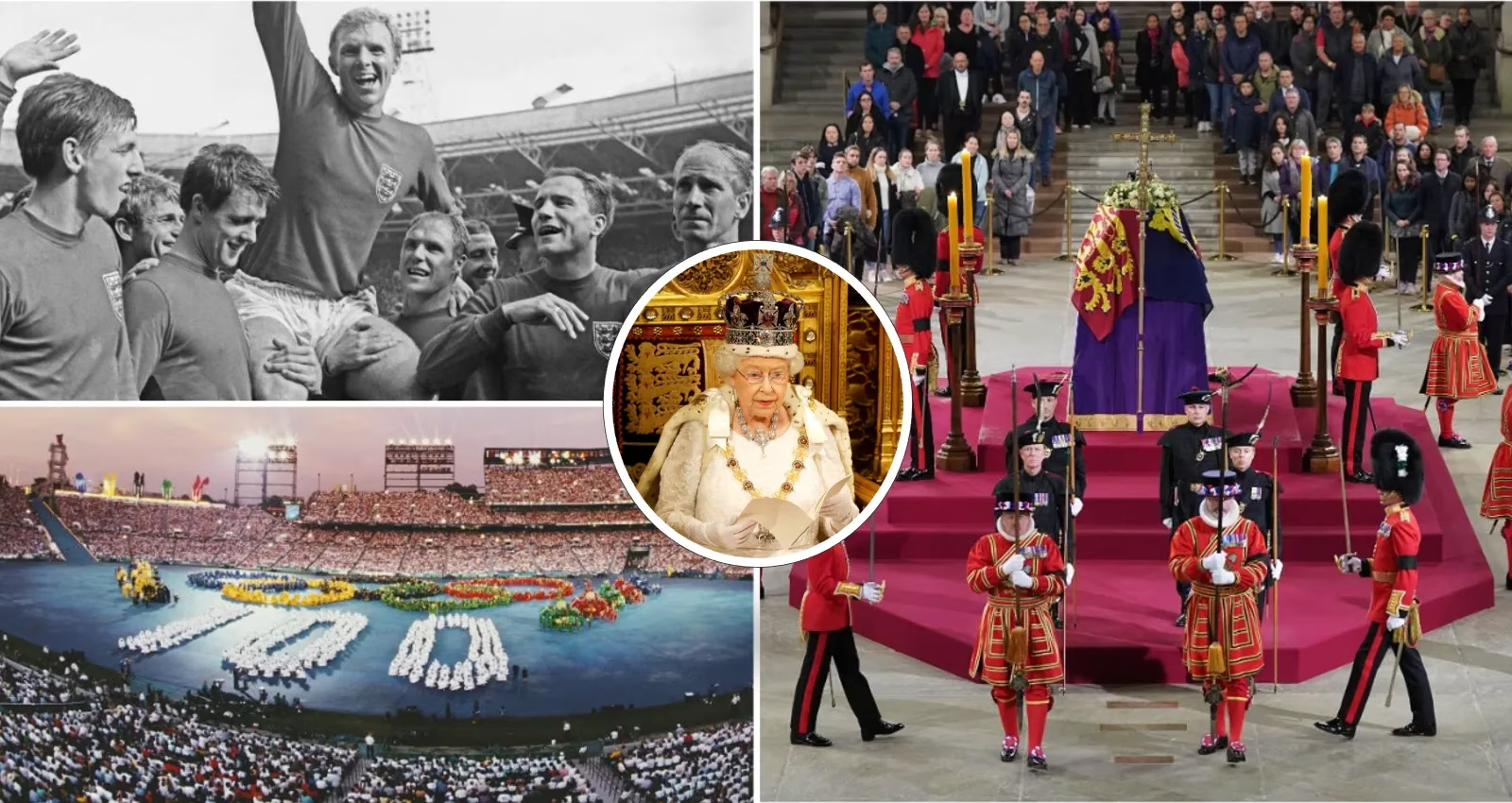
The ceremony was not a sporting event, yet it entered the same arena of record audience measurement. Published projections at the time suggested the funeral would surpass the 2.5 billion global viewers who watched Princess Diana’s service in 1997 and would knock two historic sporting moments from their top positions. The broadcast became a cathedral of television, its aisles built from satellite feeds and its congregation counted in the billions.
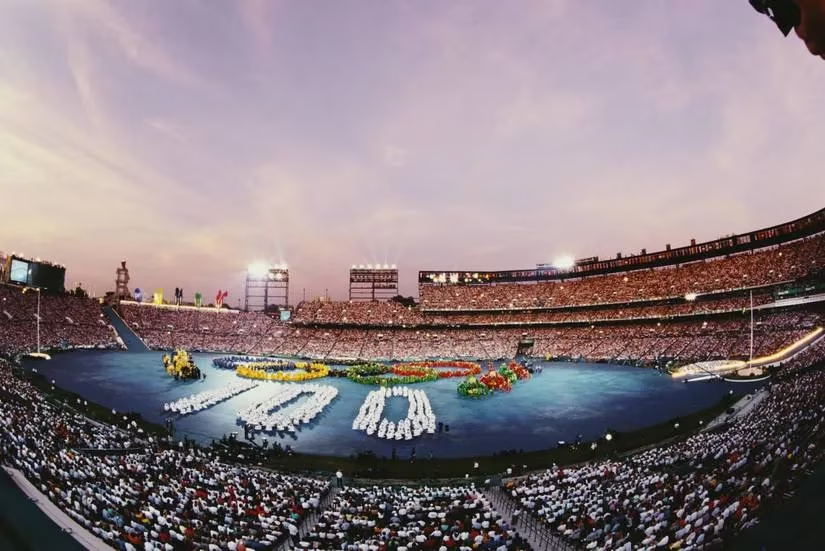
For decades, the global benchmark had been the opening ceremony of the 1996 Atlanta Olympics, which drew an estimated 3.6 billion viewers worldwide. That ceremony was remembered for Muhammad Ali, then battling Parkinson’s disease, lighting the Olympic torch and offering a line that turned a stadium ritual into a meditation on greatness: ‘God gave me this physical impairment to remind me that I am not the greatest. He is.’ The Queen’s funeral was projected to blow past that figure, a tectonic shift in shared attention rather than a mere ripple in the ratings.
| Event | Year | Audience | Context |
|---|---|---|---|
| Queen Elizabeth II’s funeral | 2022 | Projected 4bn+ global | A national farewell with global reach |
| Atlanta Olympic opening ceremony | 1996 | 3.6bn global | Muhammad Ali lit the Olympic torch |
| Princess Diana’s funeral | 1997 | 2.5bn global | A previous era of mass mourning |
| England World Cup final | 1966 | 32.3m UK | Queen Elizabeth II presented the trophy |
The British record carried its own historical weight. England’s 1966 World Cup victory on home soil, watched by 32.3 million people as the final went into extra-time, had long stood as the most-watched event in UK television history. Fittingly, it was Queen Elizabeth II who passed the Jules Rimet trophy to England captain Bobby Moore that day, a monarch and a captain framed together beneath the old Wembley sky. The 1966 triumph remains England’s only World Cup win, and the funeral’s projected UK audience was expected to demote that sporting landmark from its top spot.
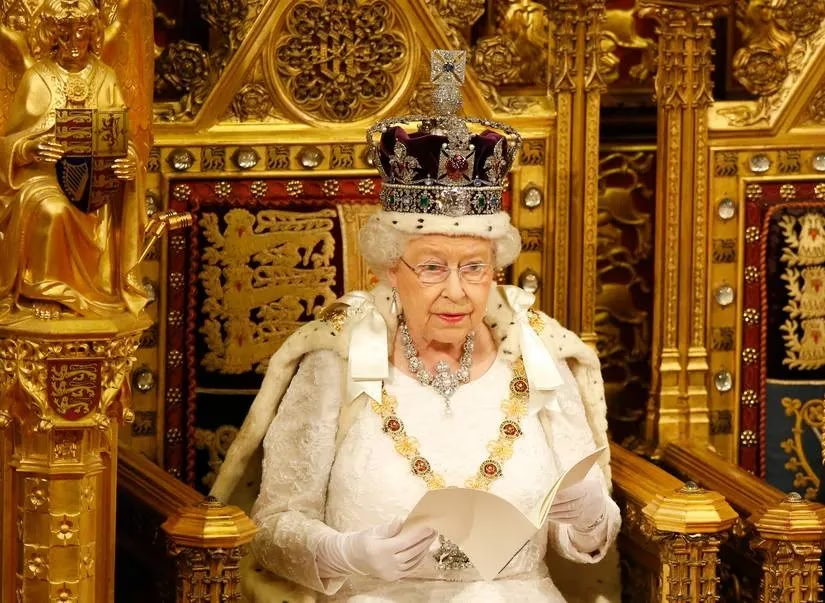
The scale of the occasion was reinforced by the shape of the day itself. A bank holiday was created in the UK for the funeral, most major channels committed resources to coverage, and all major sporting events were suspended as a mark of respect. The service began at 11am, and broadcasters prepared for an audience that was global in both geography and emotional register. The funeral was a global hearth around which half the planet was invited to gather, even if most people experienced the ceremony through a screen rather than a pew.
In the years since, the 2022 funeral has remained a reference point in discussions of linear television’s reach and of the monarchy’s place in the international imagination. The projections were extraordinary not simply because they were large, but because they suggested that a formal, religious and ceremonial event could still command the kind of collective presence associated with the biggest sporting finals. The comparison with Atlanta 1996 and England 1966 is therefore more than a ledger of eyeballs; it is a study in how different forms of ritual, sport and national memory compete for the world’s attention.
By 2026, the funeral is still cited as one of the most ambitious broadcast events of its era. It demonstrated that audience records are not only set by competition and spectacle, but also by moments of shared grief and historical closure. The Queen’s funeral did not need a scoreboard to make history; it had a global audience, a bank holiday and a nation’s farewell. The ceremony closed a chapter, and the viewing figures ensured that the chapter was witnessed on an almost planetary scale. 🌍📺
Comments