
By the time the 2026 World Cup came into view, Qatar 2022 had settled into memory as a rare kind of farewell: not one legend waving goodbye, but a whole constellation dimming at once. The tournament was framed as the last major international stage for a generation that had defined club and country football for nearly two decades. At the centre stood Lionel Messi and Cristiano Ronaldo, two men whose rivalry had been a weather system over the sport, and around them gathered a supporting cast of aging champions, each carrying a library of muscle memory and a closing window.
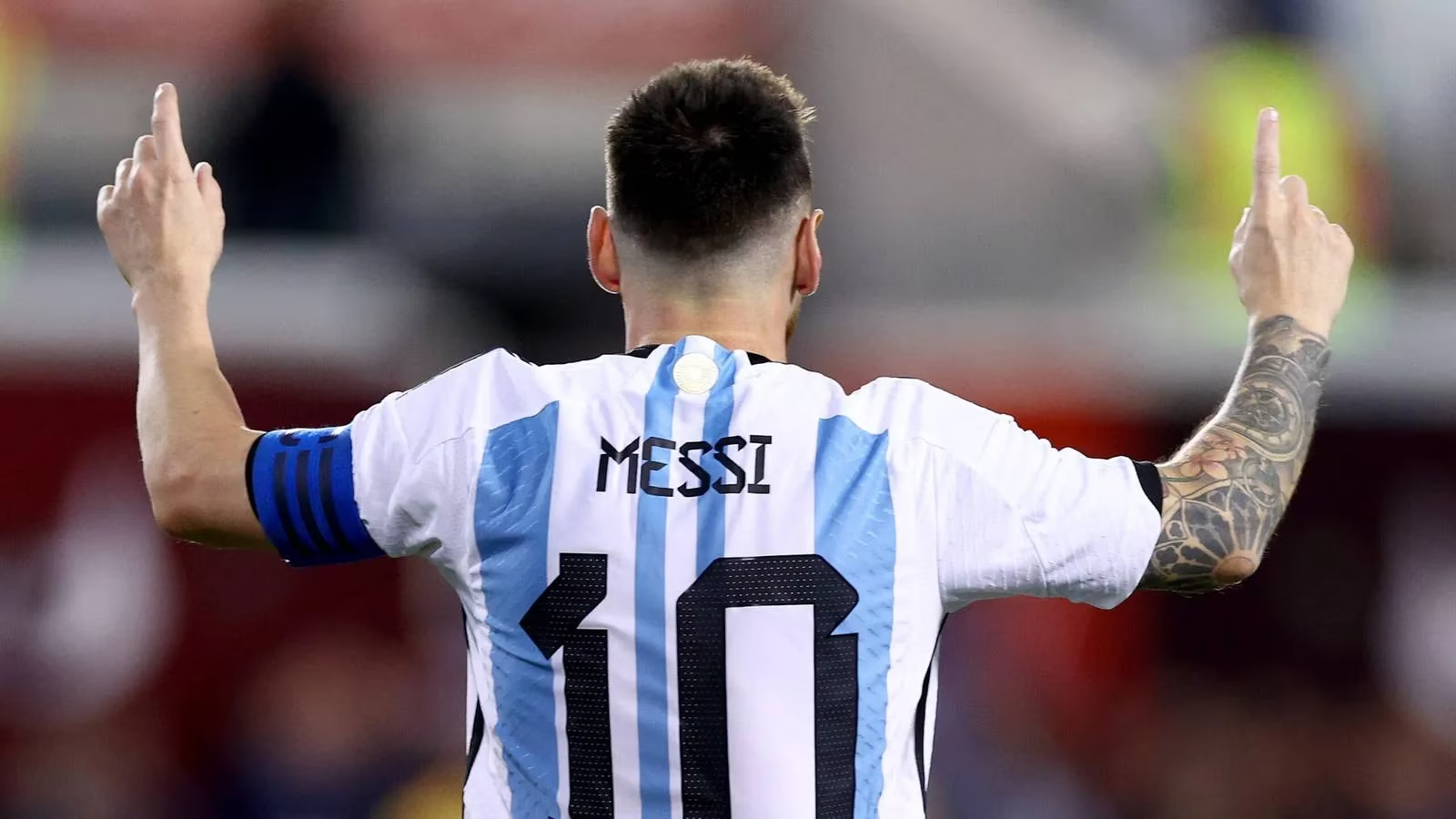
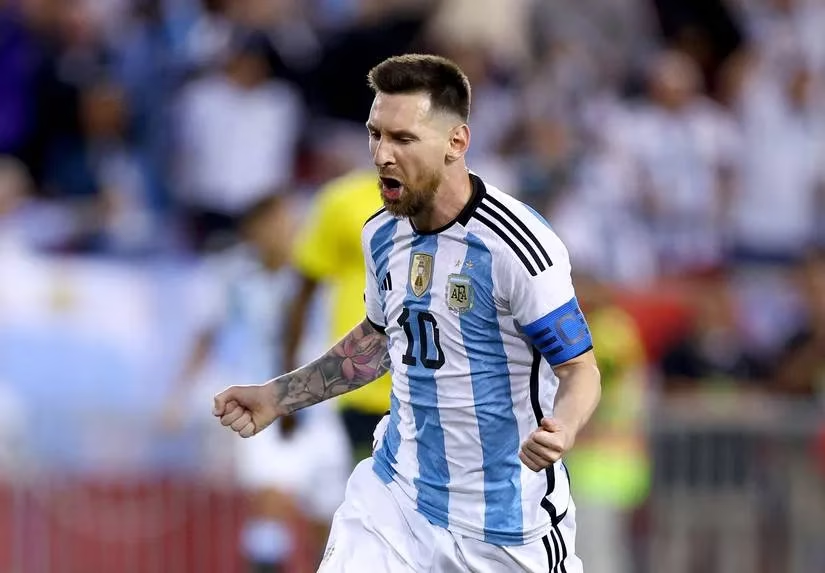
Messi was the one who said it plainly. Before Qatar, he told Argentine outlet TN, in comments relayed by The Mirror, that the World Cup would surely be his last. He also spoke about feeling good physically and about a proper pre-season, something he had missed the year before when late training, irregular rhythm, and injury left him never fully starting. The admission gave the tournament a sharp emotional edge: every touch, every free kick, every walk to the tunnel became part of a farewell album. Age is a quiet referee, and in Qatar it seemed to keep one hand on the whistle.
Ronaldo, two years older than Messi and then 37, faced the same horizon. His last dance was never going to be quiet, but the broader story belonged to a whole roll call of veterans. A plausible last-World-Cup XI read like a cabinet of antique watches—beautiful, precise, and running on borrowed seconds.
| Role | Player | Age in 2022 |
|---|---|---|
| GK | Manuel Neuer | 36 |
| RB | Dani Alves | 39 |
| CB | Diego Godin | 36 |
| CB | Thiago Silva | 38 |
| LB | Jordi Alba | 33 |
| CM | Sergio Busquets | 34 |
| CM | Luka Modric | 37 |
| CAM | Roberto Firmino | 31 |
| RW | Lionel Messi | 35 |
| ST | Robert Lewandowski | 34 |
| LW | Cristiano Ronaldo | 37 |
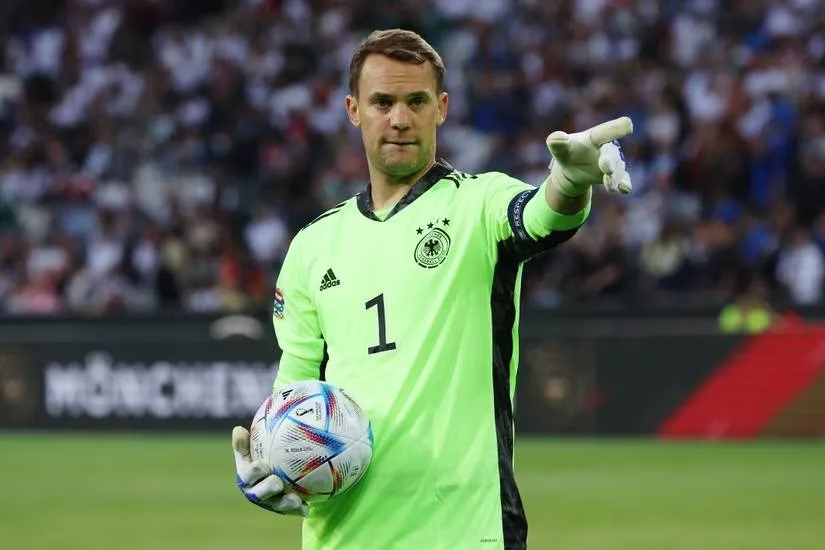
In goal stood Neuer, still a sweeper-keeper by instinct. Behind and beside him: Alves, fighting for a Brazil call-up despite his age; Godin and Thiago Silva, two centre-backs built from equal parts timing and scar tissue; Alba and Busquets, still central to Spain’s geometry. Further forward, Modric remained Croatia’s metronome; Firmino was the youngest name in that XI but still fighting for minutes in a deep Brazil squad; Messi was Argentina’s compass; Lewandowski was Poland’s penalty-box anchor; and Ronaldo was Portugal’s thundercloud. The starting XI was not a promise, only a snapshot of how many famous boots were closer to the exit than the entrance.
The bench deepened the sense of a slow, glittering tide withdrawing from the shore. Guillermo Ochoa, 37, the Mexican cult hero who so often turned the World Cup into his personal stage, was set for another goodbye. Pepe, 39, Jose Fonte, 38, and Joao Moutinho, 36, formed a Portuguese farewell committee of their own. Luis Suarez, 35, and Olivier Giroud, 36, were forwards whose next tournament seemed unlikely at 39 and 40 respectively. Not every veteran would play; some would be ceremony, some emergency, some simply the last page of a long chapter.
In the end, the 2022 World Cup became less a single tournament than a museum with floodlights. It gave Messi the ending he had chased, but it also marked the final international summer for a host of names who had spent years shaping the game. From Neuer’s command to Modric’s glide, from Busquets’s angles to Suarez’s elbows and teeth, the farewells arrived in different sizes. The 2026 World Cup may have brought new faces and new arguments, but Qatar remains the reference point for one of football’s great handovers: a generation leaving the stage not all at once, but in a long, reluctant procession.
Comments