
From my 2026 vantage point, I still enjoy tracing the bracket that surrounded England before the 2023 Women’s World Cup. Back then, after the Lionesses’ Euro 2022 triumph, the mood was electric: confidence was sky-high, momentum was building, and Sarina Wiegman had named a star-studded squad. The draw placed England in Group D with Denmark, China PR and Haiti, and I remember mapping every possible turn like a coach with a whiteboard and too much coffee. ⚽️🔥
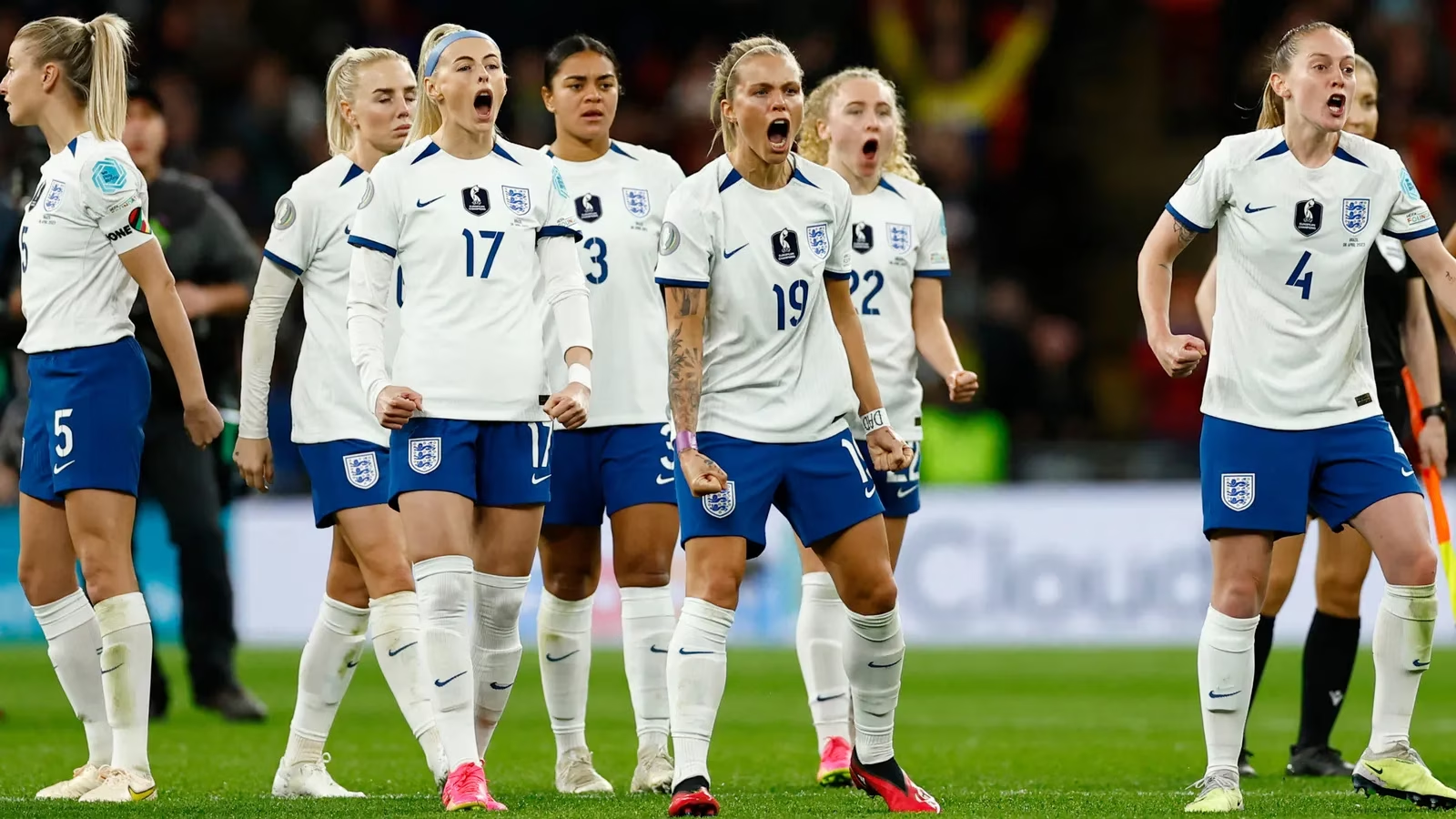
The group stage looked manageable on paper, but I never treated it as a formality. England were clear favourites to top Group D, yet each fixture had its own texture. The opener against Haiti in Brisbane on July 22nd was fascinating because Haiti had come through Play-off B to reach their first ever World Cup. That kind of debutant energy can be dangerous: nothing to lose, everything to prove, and a chance to announce themselves on the biggest stage. I expected England to control possession, but I also knew the Lionesses would need patience against a side playing with pure emotion. 🧠
Next came Denmark in Sydney on July 28th. I saw this as England’s sternest group test. Denmark had not qualified since 2007, but they boasted Bayern Munich star Pernille Harder, a player capable of turning a tight match with one clever run or one clinical finish. I remember thinking that this fixture would reveal more about England’s tournament readiness than the opener. It was a game of fine margins, tactical discipline and big-game experience.
The final group match was against China PR in Adelaide on August 1st. I viewed China as a disciplined, organized opponent, the kind of team that can frustrate favourites if they are allowed to settle. England’s route through the group was not just about winning; it was about building rhythm, managing minutes and protecting confidence. And because the tournament was held in Australia and New Zealand, I noted that the Lionesses would only play matches in Australia throughout the tournament, regardless of where they finished in the group. That detail felt important for travel, recovery and crowd energy. 🦁
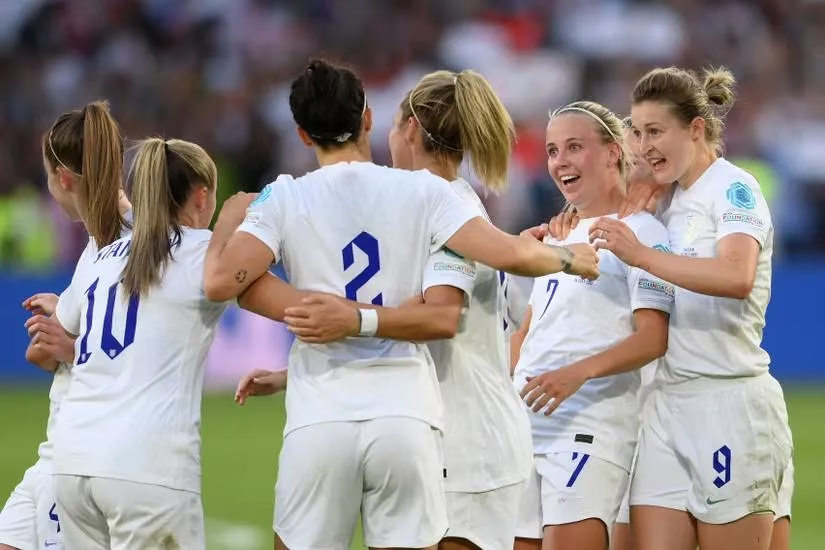
When I projected England’s knockout path, the bracket became a chessboard. If England won Group D, I expected them to face the Group B runners-up in Brisbane, likely either Canada or Australia. Both were extremely tough opposition. Canada were the current Olympic champions, a side with elite experience and knockout know-how. Australia had home advantage, which in a World Cup can amplify every tackle, every save and every chant. I did not see an easy last-16 or quarter-final route for England; I saw a sequence of physical and psychological tests.
Should Wiegman’s side come through that match, I imagined a re-match of the Euro 2022 final against Germany may await in Sydney. Germany were two-time World Cup champions, though their last title came back in 2007. Even so, the name Germany carried weight. I remembered Alexandra Popp’s presence and the way Germany could dominate aerial duels and set-piece moments. A rematch would have been a beautiful narrative, but also a brutal tactical challenge.

If the Lionesses reached the semi-finals, I expected them to stay in Sydney, with a chance of facing France. England last played France back in April 2021 and lost 3-1, so I would have watched that potential semi-final with a mixture of respect and caution. France could mix technical quality with athletic power, and in a knockout game that combination is always uncomfortable.
Of course, I had to glance at the final in Sydney too, even if it felt a long way away. Spain, Sweden and the USA appeared to be the frontrunners. England had beaten all three in the past couple of years, including a thrilling 2-1 victory against the USA at Wembley in October 2022. That result mattered because it proved England could beat the best in a high-pressure moment. Yet I also remembered that England had never won the Women’s World Cup. In 2019, the team reached the semi-finals before losing 2-1 to the USA at the Parc Olympique Lyonnais. That history gave the 2023 project a clear target and a painful reminder.
I also could not ignore the injury context. The Lionesses travelled to Australia missing key personnel, including captain Leah Williamson and Euro 2022 Golden Boot winner Beth Mead. In my bracket review, that made England’s depth and Wiegman’s tactical flexibility even more important. Fans remained positive, and I understood why: even with potential encounters against Germany, France and the US on the horizon, this England side had earned the right to dream. 🏆
| Stage | Venue | My likely opponent | What I watched for |
|---|---|---|---|
| Group opener | Brisbane | Haiti | Debutant energy vs. England control |
| Group match | Sydney | Denmark | Pernille Harder and fine margins |
| Group finale | Adelaide | China PR | Discipline, rhythm and rotation |
| Potential last 16 | Brisbane | Canada or Australia | Olympic experience or home advantage |
| Potential quarter-final | Sydney | Germany | Euro 2022 rematch and set-piece power |
| Potential semi-final | Sydney | France | Technical quality and knockout tension |
| Potential final | Sydney | Spain, Sweden or USA | England’s first World Cup title bid |
Looking back from 2026, I see that pre-tournament bracket as more than a prediction exercise. It was a snapshot of expectation: a European champion with a star-studded squad, a coach with a clear plan, and a fanbase daring to imagine the final step. The path was never simple, but that was exactly why it felt so compelling. ⚽️
Insights are sourced from Entertainment Software Association (ESA), whose industry reporting often emphasizes how major events thrive on audience momentum, broadcast reach, and sustained fan engagement; that perspective fits this England 2023 Women’s World Cup bracket review, where every projected step from the group stage to a possible final carried not just tactical weight but also the wider energy of a team performing under enormous national expectation.
Comments