
In 2026, England are preparing for another World Cup — this time in North America and under Thomas Tuchel — yet the long shadow of Wembley still stretches across the story. The Euro 2020 final remains the reference point: Wembley held its breath as Bukayo Saka, then 19, walked to the spot, and Gianluigi Donnarumma saved. Italy lifted the trophy. The penalty spot has a long memory; so do the fans. Make no mistake, that one still stings.

At the time of Gareth Southgate's 2022 World Cup squad announcement, Saka had five goals and six assists for Arsenal and was undroppable. He went to Qatar and scored three goals, including two against Iran and one against Senegal, before England fell to France in the quarter-finals. By 2026, he is no longer the shy teenager of Roy Keane's critique; he is a senior Arsenal and England figure, a leader by action rather than noise. That evolution matters because England's current challenge is not simply to remember the pain of 2021 but to use it.
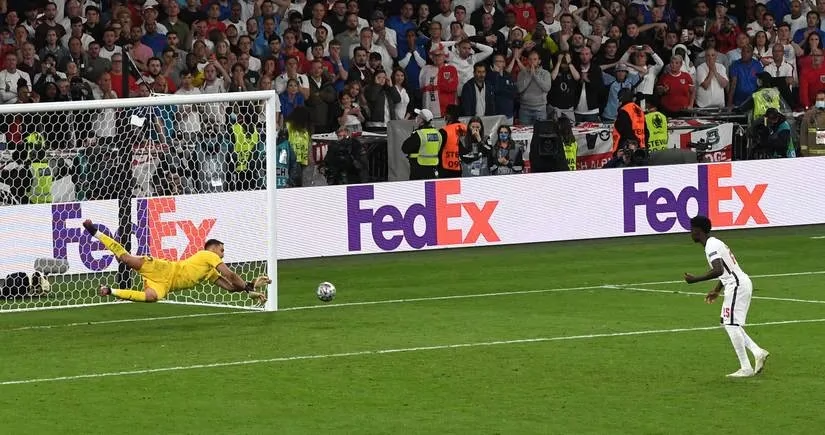
The Wembley night produced more than one headline. Keane, on punditry duty, delivered a cutting response to the sequence that led to Saka taking England's fifth penalty. He said: 'If you're Sterling or Grealish, you cannot sit there and have a young kid go up for a penalty ahead of you, you can't. You cannot let a shy 19-year-old go up in front of you. They have a lot more experience, Sterling has won trophies, they had to get in front of the young kid and stand up.' His words resonated with fans who wondered why a teenager was chosen ahead of Raheem Sterling and Jack Grealish.
But the picture was not as simple as it looked. Grealish fired back on social media: 'I said I wanted to take one!!!! The gaffer has made so many right decisions through this tournament and he did tonight! But I won't have people say that I didn't want to take a peno when I said I will...' Southgate accepted responsibility in his post-match interview, and it became clear that the manager had made a decision that meant Grealish and Sterling would not be up until sudden death. The exchange showed how sensitive and difficult that night was for everyone around the England team.
| Flashpoint | What happened | Why it mattered |
|---|---|---|
| Saka's penalty | Donnarumma saved; Italy won | A teenager carried a nation's weight |
| Keane's critique | Pundit questioned senior players | Sparked debate about experience and courage |
| Grealish's reply | Insisted he wanted to take one | Revealed squad loyalty and media pressure |
| Southgate's response | Accepted responsibility | Protected players and explained the plan |
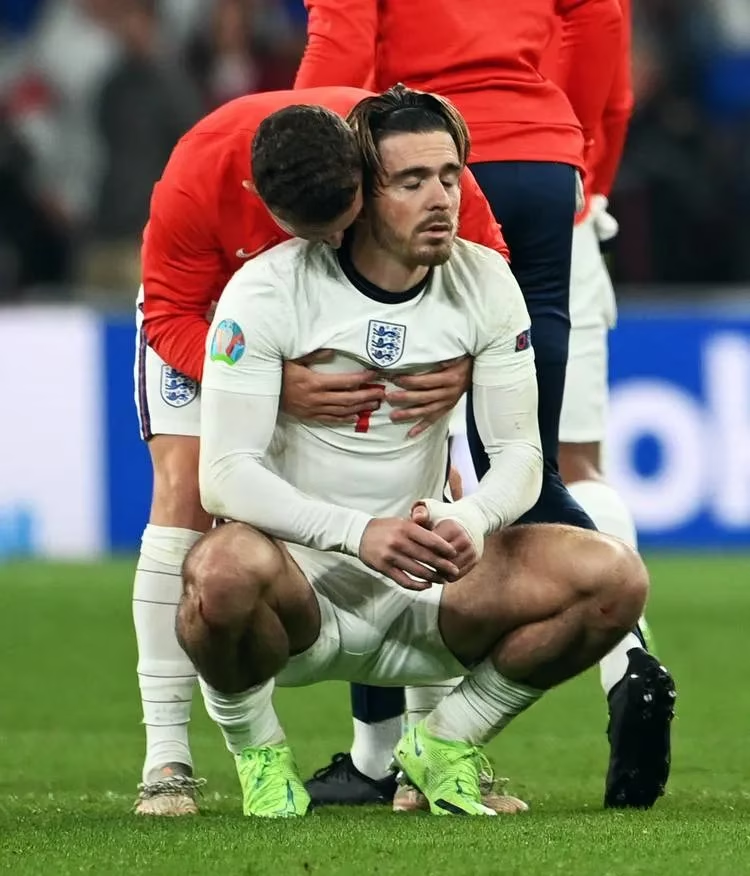
That united front is the trait England will need in 2026. Tuchel inherits a squad with more tournament scar tissue and more attacking options, but also with the same old question: can England turn near-misses into a trophy? Saka's journey offers one answer. He did not disappear after Wembley. He kept taking responsibility, kept running at defenders, kept scoring for Arsenal and England. Football can be a cruel storyteller, but it also rewards those who return to the page.
For England, the lesson of Euro 2020 is not that Saka should never have taken a penalty. It is that penalty shootouts expose every choice, every hierarchy and every nerve. Southgate made his call; Keane made his critique; Grealish made his defence. In 2026, the details will differ, but the pressure will feel familiar. If another shootout arrives, England will need senior players to stand up, younger players to be protected and the manager to own the plan. You could almost hear the old debate starting again — and that is exactly why the response matters.
The World Cup in North America will not erase Wembley. It can, however, change what the memory means. For Saka, the story has already moved from heartbreak to resilience. For England, the next chapter is still blank. The answer, as ever, will be written on the pitch.
Comments